Happy Brain Chemicals: Boost Motivation, Connection, and Energy at Work
Jul 17, 2026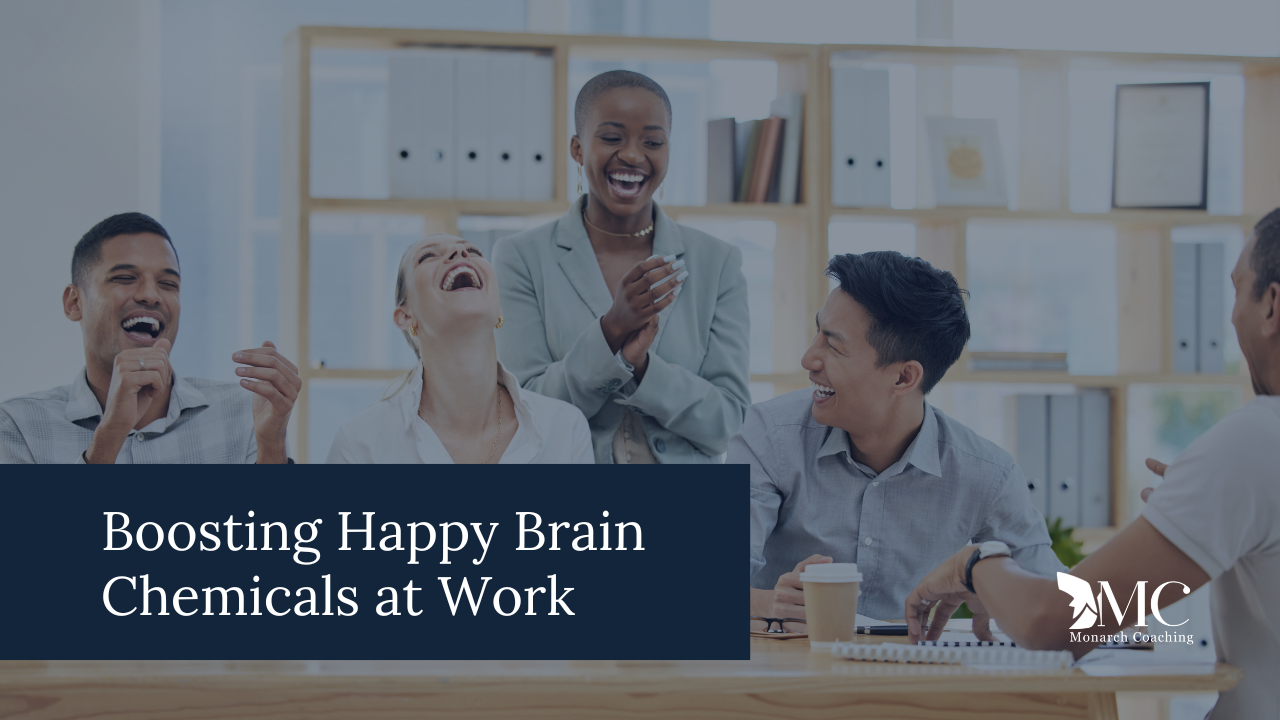
Employee engagement isn't just about compensation, perks, or flexible work arrangements. At its core, engagement is deeply connected to how people feel at work.
Do they feel connected to their team?
Do they feel recognized for their contributions?
Do they feel energized and motivated throughout the workday?
The answer to these questions often comes down to something happening inside the brain.
Research has shown that certain neurotransmitters and hormones influence how we experience motivation, trust, belonging, and happiness. While leaders can't control every factor that impacts employee engagement, they can create environments that naturally encourage the release of these "happy brain chemicals."
Today, we're exploring three powerful chemicals: Oxytocin, Dopamine, and Endorphins. And practical activities leaders can implement to boost them within their teams.
1. Boost Oxytocin Through Meaningful Recognition
Oxytocin is often referred to as the "connection and trust hormone." It plays a critical role in building relationships, fostering collaboration, and strengthening psychological safety within teams.
One simple way to increase oxytocin is through intentional peer recognition.
Try This: Peer Appreciation Moments
Start team meetings with a brief 2–3 minute appreciation exercise where employees recognize one another for specific actions, contributions, or support they've provided.
Examples include:
- A 30-second appreciation for the person sitting next to them.
- Rotating team shout-outs each meeting.
- Sharing wins and examples of collaboration.
- Recognizing behaviors that align with company values.
The key is specificity.
Instead of saying, "I'm grateful for Jason because he shows up on time," encourage comments such as: "Jason took the time to help me solve a client issue last week, and his support helped us deliver a better experience."
Specific recognition creates stronger emotional connections and reinforces positive behaviors.
Leadership Action Step:
Encourage employees to recognize different teammates each time. This helps strengthen connections across the entire team rather than within the same small circles.
2. Boost Dopamine Through Small Wins and Celebration
Dopamine is often associated with motivation, reward, and achievement.
While leaders often focus on celebrating major accomplishments, many overlook the power of recognizing progress along the way.
Try This: Create a Small Wins Tracker
Break large projects into smaller milestones and visibly track progress.
This can look like:
- Project checklists
- Team dashboards
- Whiteboard progress trackers
- Weekly win emails
- Slack or Teams celebration channels
Every completed milestone gives employees a sense of accomplishment and momentum.
You can even make recognition more engaging through surprise rewards.
Consider using a prize wheel, either physical or virtual, with small incentives such as:
- Coffee gift cards
- Team lunch vouchers
- Early Friday sign-off
- Company swag
- Additional break time
Why does this work? The brain releases dopamine not only when receiving a reward but also while anticipating one.
Leadership Action Step:
Keep celebrations short, fun, and somewhat unpredictable. If every recognition activity happens at the exact same time every week, it can lose its impact. Variety helps keep the experience fresh and motivating.
3. Boost Endorphins Through Movement and Laughter
Endorphins are the body's natural stress relievers.
They help reduce tension, improve mood, and increase energy levels, something every workplace can benefit from.
Fortunately, boosting endorphins doesn't require expensive wellness programs.
Try This: Movement and Laughter Breaks
During long workdays, encourage employees to take 5–10 minute breaks that include movement and fun.
Ideas include:
- Stretch breaks
- Walking meetings
- Team trivia
- Desk exercises
- Lighthearted polls
- Dance parties
One of our favorite examples comes from a company that hosted a 15-minute dance party every Thursday.
Employees could request songs, get up from their desks, stretch, dance, laugh, and recharge.
It may sound simple, but people genuinely looked forward to it.
The combination of movement, music, and laughter helped employees break up the workweek and return to their tasks feeling more energized.
Leadership Action Step:
Create options that feel inclusive for different personality types. Not everyone wants to dance in front of coworkers, but most people can participate through stretching, walking, or light movement activities.
The Leadership Takeaway
Creating an engaged workplace doesn't always require large budgets or complicated initiatives.
Sometimes the most effective strategies are the simplest.
When leaders intentionally create opportunities for:
✓ Connection and trust (Oxytocin)
✓ Achievement and recognition (Dopamine)
✓ Energy and stress relief (Endorphins)
They create environments where employees feel valued, motivated, and empowered to do their best work.
Reflection Question
What activities have you implemented on your team to increase connection, motivation, or energy?
Share your ideas in the comments, we'd love to learn from you!
Ready to Create a More Engaged Workplace?
At Monarch Coaching, we help organizations develop emotionally intelligent leaders who know how to create cultures where people thrive.
Whether you're looking to improve engagement, strengthen team dynamics, or develop more effective leaders, we're here to help.
Schedule a discovery call today and learn how Monarch Coaching can help your leaders, and your organization, emerge, evolve, and elevate.
#LeadershipDevelopment #EmployeeEngagement #WorkplaceCulture #EmotionalIntelligence #LeadershipCoaching #EmployeeExperience #TeamDevelopment #PeopleLeadership #OrganizationalCulture #LeadershipTraining #FutureOfWork #MonarchCoaching
