Why Cultural Competence Is A Leader's Competitive Advantage
Jul 24, 2026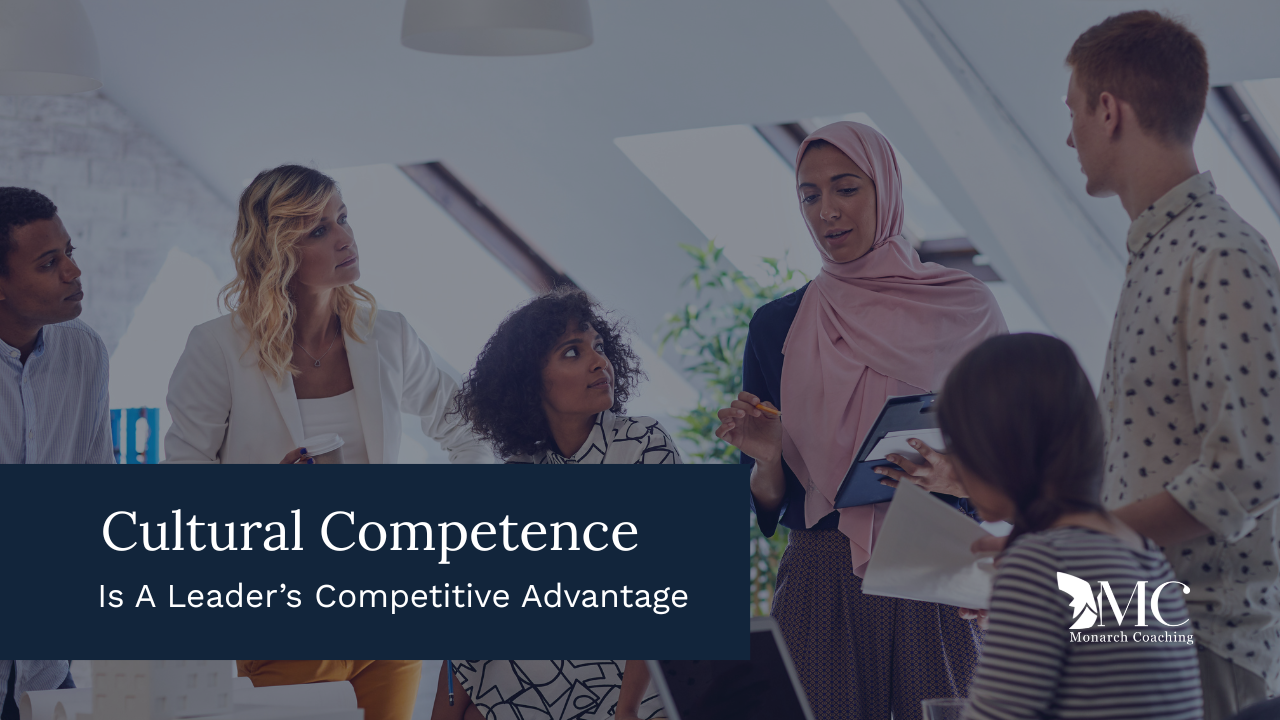
Why Cultural Competence Is Becoming A Leader's Competitive Advantage
Walk into almost any workplace today, and you'll find people collaborating across states, countries, time zones, and cultures. Whether your team gathers in the same office or meets exclusively through Zoom, leadership has evolved beyond managing tasks, and now includes connecting with people whose experiences may be very different from your own.
One leadership skill is quickly separating exceptional leaders from average ones is cultural competence.
It's not a buzzword. It's not about checking a diversity box. It's about building genuine understanding that creates stronger teams, better communication, and healthier workplaces.
What Does Cultural Competence Really Mean?
Let's start by defining the terms.
Culture refers to the customs, traditions, values, beliefs, and lived experiences that shape people and communities around the world.
Competence is having the knowledge, awareness, and ability to navigate something effectively.
When we combine the two, cultural competence becomes the ability to understand, appreciate, and respectfully work with people whose backgrounds and perspectives differ from our own.
More importantly, it's fueled by curiosity, not judgment. The goal isn't simply tolerance, the goal is understanding each other better.
Why Culturally Competent Leaders Are More Successful
The strongest leaders understand what matters to their people. So when leaders intentionally learn about the individuals on their teams, they build deeper trust and stronger relationships. Employees feel seen as people first, not just job titles.
Culturally competent leaders also develop greater social awareness. They pay attention to what's happening in the world and recognize that current events, historical events, or community issues may impact members of their team in different ways. That awareness allows them to lead with empathy rather than assumptions.
Perhaps most importantly, these leaders expand their own opportunities.
The more comfortable you become working with people from different backgrounds, experiences, and perspectives, the more valuable you become as a collaborator, mentor, and leader. Diverse teams consistently produce broader ideas and more innovative solutions because they bring multiple viewpoints to the table.
Three Ways to Build Cultural Competence
1. Make One-on-Ones About More Than Work
Your next one-on-one doesn't have to focus entirely on deadlines and deliverables. Spend time getting to know your team members as people.
Ask thoughtful questions about what motivates them, what traditions are meaningful to them, or how they prefer to give & receive communication.
These conversations can create authentic relationships, but remember that curiosity should never feel like interrogation. The key is creating psychological safety, not putting someone on the spot.
2. Create Space for Honest Conversations
Sometimes the world outside the office walks right through your workplace doors.
Major events can affect employees differently depending on their personal experiences, communities, or identities.
One of the most impactful things leaders can do is build enough trust that team members feel safe discussing how those moments may be affecting them, if they so choose to.
That doesn't mean every current event requires a team discussion. It means leaders create environments where empathy is welcomed, perspectives are respected, and no one feels pressured to share beyond their comfort level.
Some of the strongest teams are built during difficult moments because vulnerability creates understanding.
3. Keep Learning
Great leaders never assume they know everything. Take time to learn about the cultures represented within your team. Read. Listen. Attend community events. Celebrate cultural holidays. Ask respectful questions when appropriate.
Often, the greatest gift you can give someone is the opportunity to share a piece of who they are in an environment where they feel valued.
Curiosity builds connection, connection builds trust, & trust builds high-performing teams.
Leadership Starts With Understanding
Leadership is about creating environments where every person feels respected, valued, and empowered to contribute their best work.
As our workplaces become increasingly global and interconnected, cultural competence a foundational leadership skill to develop.
Reflection Questions
As you think about your own leadership, ask yourself:
- When was the last time I intentionally learned something new about a member of my team?
- Do my employees feel psychologically safe discussing experiences that matter to them?
- What assumptions might I be making that curiosity could replace?
- How am I actively expanding my understanding of cultures different from my own?
Remember, these small conversations often lead to transformational leadership.
Ready to Build More Inclusive Leaders?
At Monarch Coaching, we help organizations develop emotionally intelligent, people-first leaders who create workplaces built on trust, empathy, and meaningful connection.
If you're ready to strengthen your leadership team through transformational leadership development, schedule a discovery call with Monarch Coaching and let's build a workplace where every leader & employee has the opportunity to emerge, evolve & elevate.
#LeadershipDevelopment #CulturalCompetence #InclusiveLeadership #EmotionalIntelligence #LeadershipTraining #WorkplaceCulture #PeopleFirstLeadership #ProfessionalDevelopment #LeadershipCoaching #MonarchCoaching
