
Developing Emerging Leaders: Building A Sustainable Leadership Pipeline
May 29, 2026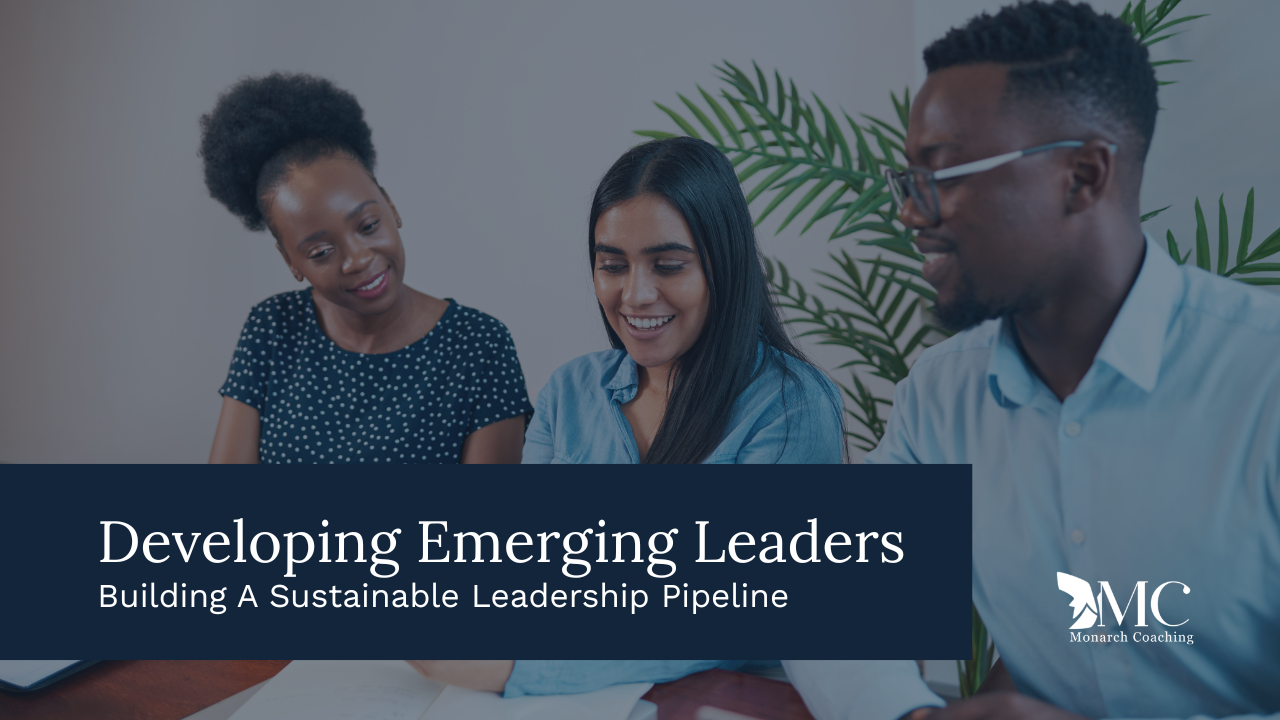
Sometimes as leaders, we may feel that being “indispensable” is a necessity of the role. But the strongest leaders aren’t the ones who hold all the knowledge, make every decision, or keep all the power at the top.
Whether you’re leading a small team, a growing organization, or an entire department, your long-term success is directly connected to your ability to empower others to step up, grow, and eventually lead alongside you.
A big focus of our leadership should be about creating sustainability for tomorrow, whether we're still at that organization, or not.
Why Developing Emerging Leaders Matters
1. It Creates a Sustainable Leadership Pipeline
Every organization experiences change. Promotions happen. Career pivots happen. Life happens.
When leaders intentionally develop emerging talent early, they reduce leadership gaps and create a stronger foundation for long-term success. Instead of scrambling to fill leadership roles later, organizations already have capable individuals prepared to rise to the occasion.
The goal is to cultivate confident decision-makers who can carry the vision forward with confidence and leadership presence.
2. It Strengthens Your Influence and Credibility
One of the greatest forms of recognition as a leader is watching your employees get promoted.
Leaders who invest in people are viewed as visionary, trustworthy, and impactful. Teams naturally feel more supported when their growth is prioritized, and employees are more likely to stay engaged when they believe leadership genuinely cares about their development.
Developing talent that can take your place isn't something to be afraid of, it's something to celebrate.
3. It Makes Organizations More Agile and Adaptable
Organizations become stronger when leadership capability isn’t just concentrated in one or two key people.
When emerging leaders are empowered to think critically, take ownership, and make decisions, teams become more resilient during periods of change or uncertainty. Instead of relying on one voice to guide every situation, organizations gain a culture of initiative and collaboration.
That adaptability really does becomes a competitive advantage.
4 Best Practices for Developing the Next Generation of Leaders
1. Create Consistent Feedback Loops
Feedback should never come as a surprise. Ever.
The most effective leaders create ongoing opportunities for two-way communication where both current and emerging leaders can grow. Constructive 360 feedback helps people improve, while open dialogue builds trust and confidence.
Action Step:
Schedule recurring leadership check-ins focused on growth rather than performance correction alone. Encourage employees to share feedback with you and their peers as well.
2. Share Your Leadership Lessons (Including the Mistakes!)
Emerging leaders don’t need perfection from you, they need honesty.
Being transparent about your own wins, failures, lessons learned, and leadership challenges makes you more relatable and accelerates learning for others. It also creates psychological safety for developing leaders to try, fail, and improve. Let failing and learning be a part of your process.
Action Step:
During team meetings or coaching conversations, when appropriate, intentionally share one leadership lesson you learned the hard way and how it shaped your approach today.
3. Create Opportunities for Ownership
Confidence doesn’t come from observation alone, it has to come from experience.
Emerging leaders need opportunities to make decisions, lead initiatives, problem-solve, and take accountability for outcomes. Ownership creates growth, and it also helps current leaders delegate more effectively.
Action Step:
Assign stretch projects or leadership opportunities that allow employees to lead meetings, manage timelines, present ideas, or oversee small initiatives independently.
4. Celebrate Their Leadership Skills
Recognition reinforces behavior.
When emerging leaders take initiative, demonstrate growth, or handle responsibility well, acknowledge it publicly. Celebrating progress motivates both current and future leaders while reinforcing a culture of development.
Action Step:
Start recognizing leadership behaviors during team meetings. Take time to celebrate initiative, communication, accountability, and growth.
The Takeaway
When you intentionally invest in others:
- Your team becomes more confident
- Your organization becomes more adaptable
- Your culture becomes more collaborative
- And your leadership legacy becomes sustainable
If your organization is ready to strengthen leadership development, improve team effectiveness, and create a stronger leadership pipeline, connect with Monarch Coaching to learn more about our leadership development programs, coaching, and facilitated team experiences.
Schedule a discovery call with Monarch Coaching and let’s talk about how to empower the next generation of leaders within your organization.
👉 https://www.monarchcoachingco.com/DiscoveryCall
#LeadershipDevelopment #EmergingLeaders #LeadershipCoaching #WomenInLeadership #ProfessionalDevelopment #EmotionalIntelligence #TeamDevelopment #WorkplaceCulture #LeadershipTraining #MonarchCoaching
