Leading a Multigenerational Workforce
Dec 15, 2025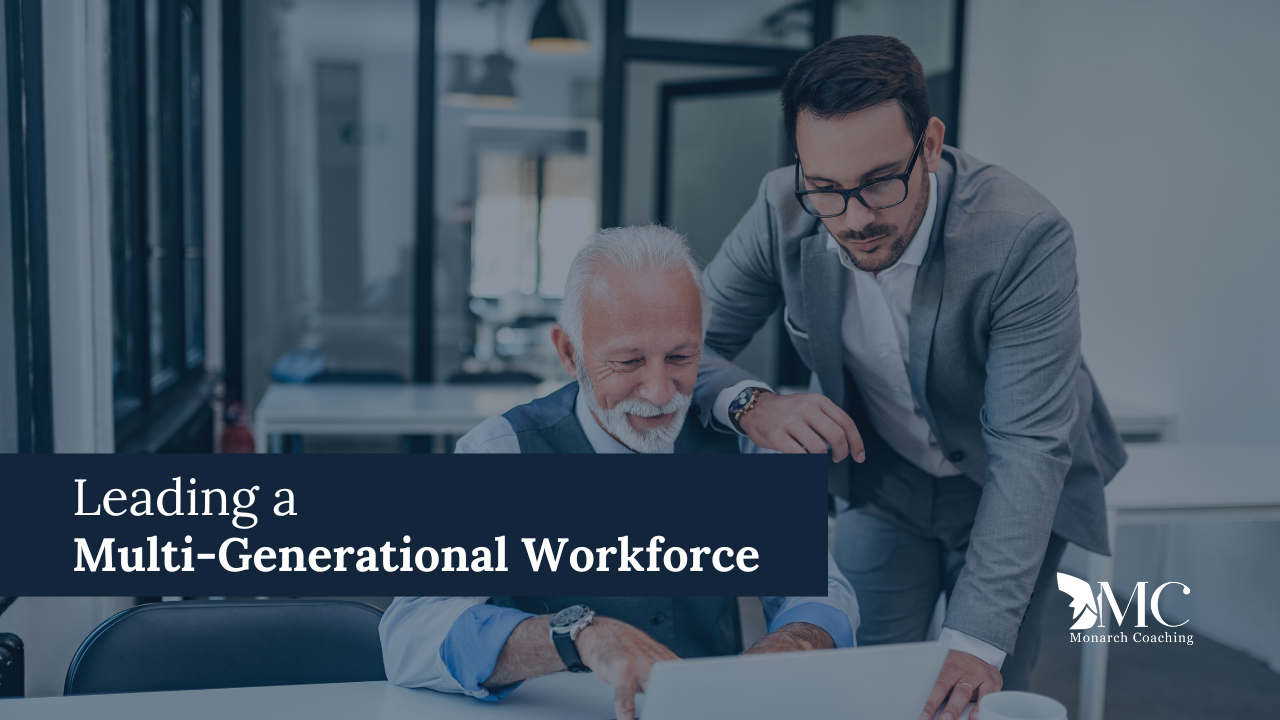
Leading a Multigenerational Workforce:
How to Bring Out the Best in Every Generation
Today’s workplace is more diverse than ever, not just in background or experience, but in generational perspective. Each generation brings distinct strengths, values, and expectations that shape how they collaborate, communicate, and lead.
When leaders understand these differences and learn to leverage them, they unlock stronger teamwork, higher engagement, and a healthier organizational culture.
Here is a snapshot of each generation currently in the workforce, as well as what drives them, and their expectations of their leaders:
The Strengths and Expectations of Each Generation
Gen Z (1997–2012 | Ages 13–28)
What drives them:
-
Authenticity, purpose, and meaningful work
-
Mental well-being and work-life balance
What they expect:
-
From Leaders: Transparency, consistent feedback, and growth opportunities
-
From Peers: Collaboration, inclusivity, and psychological safety
Millennials (1981–1996 | Ages 29–44)
What drives them:
-
Continuous learning and personal development
-
Purpose-driven work that creates impact
What they expect:
-
From Leaders: Coaching-style leadership, flexibility, and mission alignment
-
From Peers: Open communication, teamwork, and innovation
Gen X (1965–1980 | Ages 45–60)
What drives them:
-
Independence, autonomy, and resourcefulness
-
Pragmatic, results-driven approaches
What they expect:
-
From Leaders: Autonomy, efficiency, and clarity
-
From Peers: Accountability, reliability, and respect for individual work styles
Baby Boomers (1955–1964 | Ages 61–70)
What drives them:
-
Loyalty, hard work, and commitment
-
Opportunities to mentor and share expertise
What they expect:
-
From Leaders: Structure, direction, and recognition of experience
-
From Peers: Professionalism and a strong work ethic
Traditionalists (1946–1954 | Ages 71–79)
What drives them:
-
Discipline, respect, and professionalism
-
A strong sense of duty and loyalty
What they expect:
-
From Leaders: Stability, hierarchy, and tradition
-
From Peers: Dedication, respect, and expertise
Leadership Questions Worth Asking
1. How do we honor different communication styles?
Some employees prefer formal emails, while others send quick Slack messages or voice notes. Leaders should normalize asking, “What’s the best way to communicate with you?” and create a culture where multiple styles are welcomed, not judged.
2. How do we balance flexibility and stability?
Younger workers often value flexibility and autonomy, while older employees may prefer structure and predictability. Leaders can bridge this by offering flexible frameworks, clear expectations combined with room for employees to choose how they get work done.
Best Practices for Leading a Multigenerational Team
1. Encourage Cross-Generational Collaboration
Try mentorship pairings or mixed-age project teams. This creates an exchange of wisdom, creativity, and fresh perspectives across the organization.
2. Adapt Your Leadership Style
One size does not fit all.
-
Some team members want direct, frequent feedback.
-
Others thrive on autonomy and trust.
Leaders who stay flexible are better equipped to bring out the best in everyone.
3. Leverage Strengths, Not Stereotypes
Age doesn’t determine capability.
Some young employees prefer traditional, structured processes.
Some older employees are tech-forward innovators.
Ask before assuming.
4. Foster Open Communication & Respect
Create space to explore questions like:
-
How do you define success?
-
What communication style works best for you?
-
What support do you need to thrive?
These conversations strengthen connection, and prevent tension.
5. Balance Tradition & Innovation
When introducing new tools or processes, roll them out gradually.
Provide training, encourage feedback, and make sure everyone feels included in the transition, not left behind.
So why does this all matter? A multigenerational workforce isn’t a challenge to manage, it’s a competitive advantage. When leaders intentionally bridge generational differences, they create workplaces that are more innovative, more resilient, and more human-centered.
Your Next Step: Assess the Health of Your Team’s Engagement
If you want to understand where disengagement, or misalignment between generations, may be happening on your team, we're offering a special discounted price on our Employee Engagement Assessment.
This assessment reveals how employee disengagement may be impacting your organization and offers next-step recommendations.
Schedule a Discovery Call with us, and mention this blog post to receive 50% off your Employee Engagement Assessment.
