
When an Employee Goes Over Your Head: What Strong Leaders Do Next
Jan 23, 2026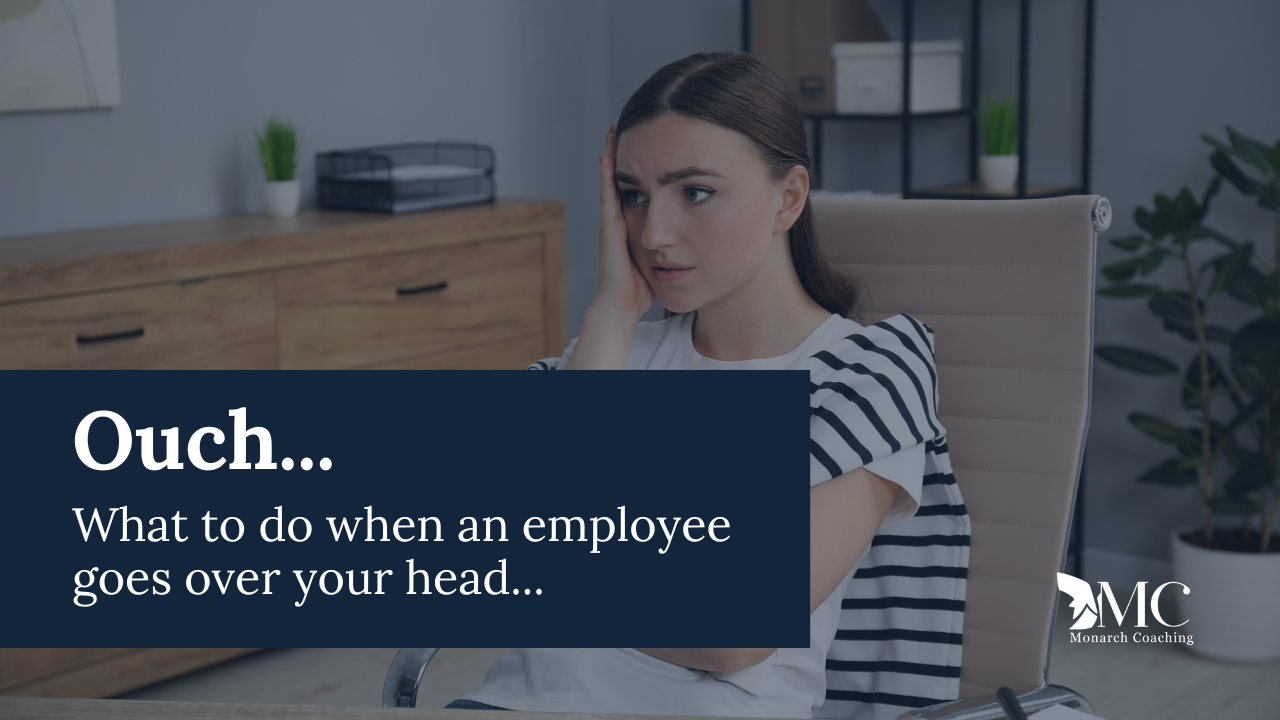
Your team member skips you and goes straight to a VP or senior leader with a complaint or concern. Ouch, right?
It’s easy to feel blindsided, embarrassed, or even undermined. But before reacting, pause and ask a more important question:
What does this reveal about your leadership, your culture, and your team’s trust in you?
Moments like these are uncomfortable, but they’re also incredibly informative. How you respond can either strengthen trust or quietly erode it.
3 Common Mistakes Leaders Make in This Situation
1. Taking It Personally & Reacting Emotionally
Instead of getting curious, some leaders let ego take the wheel. The result? Defensiveness, blame, or resentment toward the employee. When emotions run high, learning shuts down, and so does trust.
2. Trying to Control the Narrative After the Fact
Scrambling to “fix” things behind the scenes or reframing the story to protect your image can cost you credibility. In these moments, don’t lose your advocacy for your team members. Focus on the root cause, not damage control.
3. Ignoring the Behavior Entirely
Avoiding the discomfort may feel easier in the short term, but silence creates confusion. Without a conversation, teams are left guessing about expectations, which breeds more distrust over time.
3 Action Items to Take as a Leader
1. Have a Direct, Calm Conversation with the Employee
Start with curiosity, not confrontation.
Try: “Help me understand what led you to take this approach.”
This conversation is about clarity and understanding, not punishment.
2. Re-Establish the Chain of Communication
Make it clear that you are the direct line of communication to senior leadership.
If this happens once, it’s important to reset expectations with the entire team:
“I want us to model clear communication together moving forward. When we skip steps in the chain, things can get messy. I need to understand your concerns so I can listen and advocate for you.”
Leadership works best when we advocate for one another, not just for ourselves. Especially when there isn’t an established relationship with the person being escalated to.
3. Audit Your Own Accessibility & Approachability
Be honest with yourself:
-
Have I been present enough?
-
Have I created space for concerns to be raised early?
-
Do my team members feel heard before things escalate?
Sometimes escalation is less about disrespect, and more about perceived distance.
The Leadership Mindset Shift
Leadership isn’t about gatekeeping information or controlling access.
It’s about building trust, so escalation isn’t the first option. And when it does happen, you use it as a moment to grow, not tighten control.
Because strong leaders don’t just manage behavior. They shape culture.
Monarch Resource
If situations like this feel familiar, it may be time to take a deeper look at how trust, communication, and accessibility show up in your leadership.
👉 Download the free Monarch Coaching Communication Styles Assessment to better understand how you lead, how your team receives you, and where misalignment may be creating unnecessary escalation.
Greater self-awareness leads to clearer communication, and clearer communication builds trust before issues ever need to go over your head.
#LeadershipGrowth #PeopleFirstLeadership #EQatWork #LeadershipMindset #ManagerLife
