
Why Your New Hires Are Already Thinking About Quitting (And How to Fix It)
Aug 14, 2026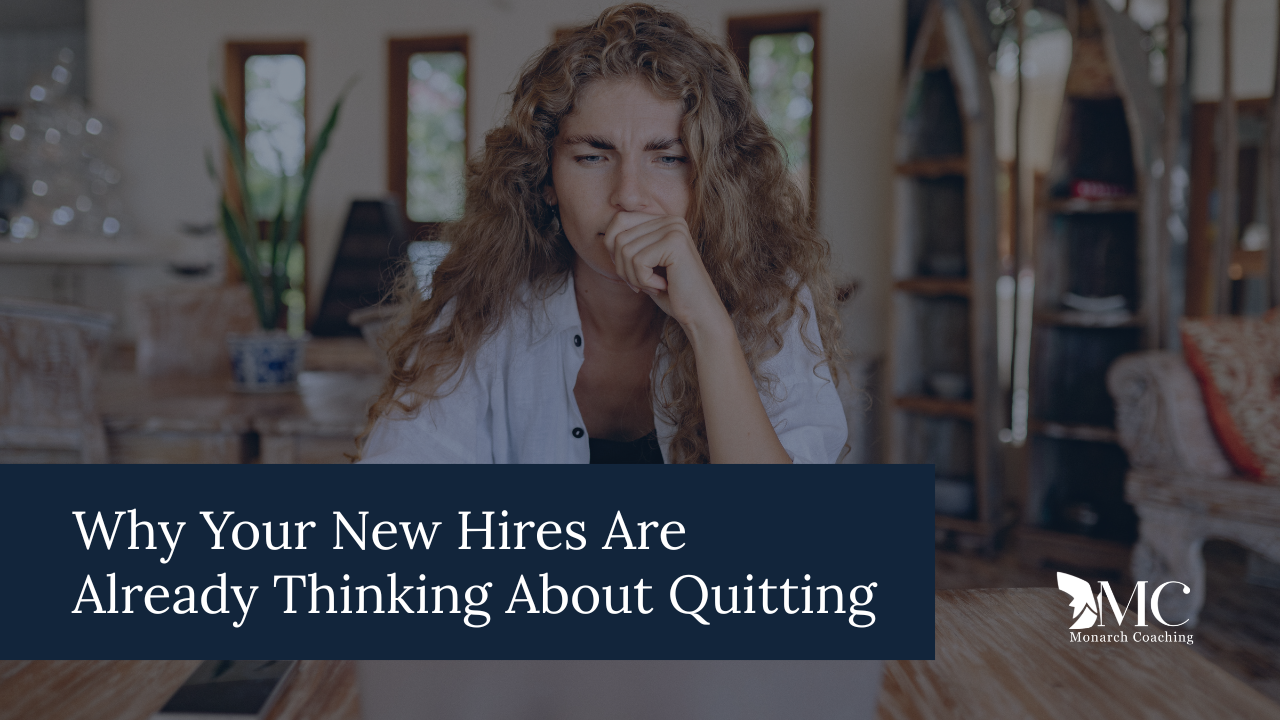
Hiring great talent is only half the battle. Keeping them is where leadership really begins.
Organizations spend thousands of dollars recruiting, interviewing, hiring, and training new employees. Yet many leaders overlook one of the most critical moments in the employee experience: their first few days on the job.
Many employees actually begin questioning whether they made the right decision within their very first week at a new job.
That doesn't happen because they chose the wrong company, it often happens because leaders unintentionally miss the opportunity to create connection, clarity, and confidence from day one.
If you want high-performing teams that stay engaged, innovate, and grow into future leaders, you have to move beyond paperwork and policies. You have to master the Art of Acclimation.
Shift from Operational Onboarding to Relational Onboarding
Most onboarding plans focus on logistics:
-
Setting up computers
-
Completing paperwork
-
Reviewing policies
-
Explaining benefits
Those things matter, but they aren't what determines whether someone feels they belong.
Instead, ask yourself: "How can I help this person feel like they made the right decision to join our team?"
Research consistently shows employees begin forming long-term opinions about an organization almost immediately. The first 48 hours are your opportunity to replace uncertainty with confidence.
Action Steps:
-
Send a personalized welcome text or short video before their first day.
-
Ask the team to introduce themselves before the new hire arrives.
-
Decorate their workspace or leave a handwritten welcome note.
-
Give them one meaningful "quick win" assignment within the first two days so they experience success immediately.
People stay because someone made them feel like they mattered, not just because their onboarding checklist was completed.
Teach the Culture, Not Just the Job
One of the biggest sources of anxiety for new employees is trying to figure out the 'unwritten rules.'
Every organization has a hidden curriculum:
-
How decisions get made
-
How feedback is delivered
-
How mistakes are handled
-
How people communicate
-
What success actually looks like
Don't make employees guess these things, you have to be transparent.
Explain the culture intentionally instead of expecting people to absorb it through observation.
Invite them to lunch, introduce them to cross-functional partners, share stories that illustrate your organization's values in action. This context builds confidence far faster than a stack of training manuals ever will.
Feedback Shouldn't Start at Day 30
Too many organizations wait an entire month before asking how a new employee is doing, but by then, their silent concerns may have already turned into active disengagement.
Instead, build a structured feedback rhythm from the beginning. Consider scheduling intentional conversations after the first and second weeks. Then continue these check ins for months 1, 2, & 3.
These conversations shouldn't feel like performance evaluations, they should be rooted in genuine curiosity and a desire to learn and support them.
Ask questions like:
-
What's been clearer than you expected?
-
What's still confusing?
-
What resources would help you be more successful?
-
What have you noticed that we may not see anymore?
Fresh eyes are an incredible leadership asset. Your newest employees often identify opportunities your veteran employees have stopped noticing.
Build Future Leaders from Day One
One of the most powerful messages a leader can communicate is that the company is investing in them because they have potential to be a future leader.
Imagine telling a new employee: "We're training you so well that if I won the lottery tomorrow, you'd be ready to lead this room."
Think about how empowering that feels! Instead of simply preparing someone to perform a role, you're preparing them to grow into leadership.
That mindset can change everything for a new employee. People become more engaged when they know someone is invested in their future and not just their productivity.
Leadership Starts Before Performance Does
Although they help, retention isn't built solely through better benefits or company perks. Retention is really secured through effective leadership.
The organizations that consistently retain top talent create environments where people experience:
-
Belonging before expectations
-
Clarity before accountability
-
Trust before performance
The onboarding process includes introducing them to the kind of leader they'll become while they're there.
Ready to Create an Onboarding Experience People Won't Want to Leave?
At Monarch Coaching, we help organizations build leaders who create cultures where employees thrive & not just survive.
If you're ready to improve retention, strengthen your leadership pipeline, and transform the employee experience from day one, we'd love to partner with you.
Schedule a discovery call with Monarch Coaching today and let's build leaders who inspire people to stay.
#LeadershipDevelopment #EmployeeRetention #Onboarding #Leadership #CompanyCulture #EmployeeEngagement #PeopleLeadership #WorkplaceCulture #TalentDevelopment #MonarchCoaching
